Brighten Up Your Hallway with Flush Mount Lighting Ideas

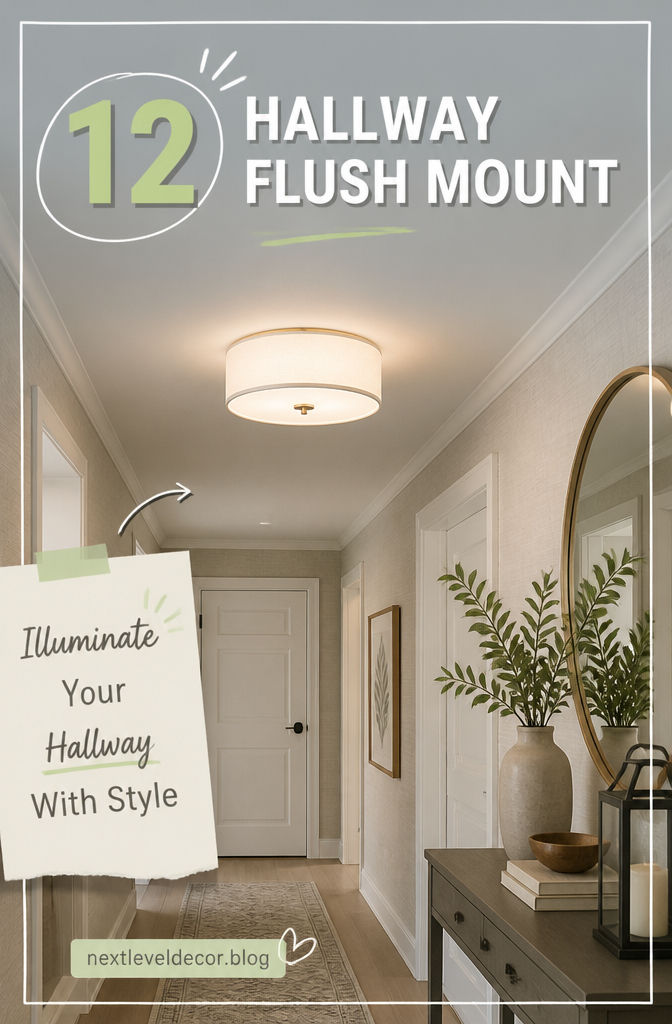
Hallways often become overlooked corridors between more important rooms, yet they shape the first impression every visitor receives. Dim, dreary passages can make an entire home feel closed off, while thoughtful hallway lighting brings warmth, clarity, and flow. Flush mount lighting is a practical solution for spaces where headroom matters, offering bright lighting without hanging fixtures that crowd narrow paths. With a little planning, you can turn a utilitarian passage into a polished part of your home decor.
Plan the Lighting Before You Shop
Good corridor design begins with a simple layout plan. Measure the hallway’s length and width, then note ceiling height, door swings, wall art, and any areas that currently feel dark. Sketch where fixtures will sit so the spacing feels even rather than clustered.
Aim for a consistent rhythm rather than one overly bright fixture at one end.
In long hallways, place fixtures at equal intervals so light pools blend into a continuous glow.
In short or L-shaped passages, prioritize corners and turns where shadows collect.
Check that doors, closets, and stair approaches receive enough light for safe use.
Consider dimmer compatibility if you want adjustable brightness for evenings.
This planning stage helps you choose the right number of fixtures and prevents the common mistake of buying one beautiful piece that cannot light the whole space.
Choose the Right Flush Mount Style
Flush mount lighting comes in a range of profiles, from low-profile discs to semi-flush designs that sit just below the ceiling. The best option balances clearance with visual impact.
Low-profile flush mounts work well in compact or low-ceiling hallways.
Semi-flush fixtures add a little depth and interest while still preserving headroom.
Drum shapes create a soft, tailored look that suits traditional and transitional spaces.
Geometric metal frames introduce a modern edge without overwhelming narrow walls.
Frosted or opal shades diffuse light evenly and reduce harsh glare.
Clear or ribbed glass can add sparkle, but may require softer bulbs to avoid glare.
Match the fixture’s finish to nearby hardware and trim. Repeating a finish across door handles, switches, and light fixtures creates a cohesive look that elevates corridor design.
Layer Bright Lighting for Comfort and Function
A hallway may not need layered lighting as complex as a living room, but a thoughtful mix still helps. Flush mount fixtures should provide the main ambient layer, while smaller accents handle detail and mood.
Use flush mounts as the primary source of even, bright lighting.
Add wall sconces or picture lights if the hallway includes art or photographs.
Consider small recessed lights near tricky turns or stair landings.
Place a slim console lamp or portable light at the end of a long hall to create a visual destination.
Layering prevents flat, washed-out spaces. It also gives you options: full brightness for cleaning or arrivals, softer illumination for late evenings.
Use Color and Material to Shape the Mood
The light you choose will interact with wall paint, flooring, and furnishings. Warm-toned bulbs bring out wood and cream tones, while cooler light can make crisp whites and grays feel cleaner.
Warm white bulbs tend to feel welcoming and flattering in residential settings.
Cooler white light can improve clarity in task-heavy zones, but may feel clinical in cozy homes.
Light wall colors reflect illumination and make narrow passages feel wider.
Soft grays create a calm backdrop and pair well with metallic or matte black fixtures.
Glossy paint increases reflection but can highlight wall imperfections.
If your hallway lacks windows, reflective surfaces such as mirrors, glass-front frames, or polished hardware can bounce light deeper into the space. Keep finishes balanced so the corridor feels bright, not busy.
Installation and Spacing Tips
Proper installation makes a noticeable difference in both performance and appearance. If you are replacing an existing fixture, turn off power at the breaker and follow the manufacturer’s instructions carefully.
Confirm the electrical box can support the fixture’s weight and mounting style.
Center fixtures carefully so they align with door frames and architectural lines.
Use a level to avoid tilted installations that catch the eye.
Keep walkways clear of low-hanging elements, even with flush designs.
If the hallway is very long, consider whether one junction box is enough or if additional wiring is needed.
For renters or temporary updates, plug-in wall lights and battery-operated options can supplement overhead hallway lighting without major changes.
Common Mistakes to Avoid
Even well-chosen flush mount lighting can fall short if a few details are missed.
Choosing a fixture that is too large for a narrow corridor.
Ignoring bulb brightness and ending up with either glare or dim patches.
Mixing too many finishes, which fragments the visual flow.
Forgetting to light corners, closets, or stair approaches.
Relying on a single fixture for a long passage instead of distributing light.
Selecting a style that clashes with the home’s overall decor rather than complementing it.
A quick review before purchasing helps you avoid these pitfalls and ensures the finished look feels intentional.
Keep the Look Fresh Over Time
Once installed, a little maintenance keeps hallway lighting performing at its best. Dust shades and metal frames regularly, as buildup can dim output. Replace bulbs with matching color temperature to preserve a consistent glow. If you update wall colors or flooring, reassess whether the fixture’s finish still works with the new palette.
Flush mount lighting is a versatile choice for corridor design because it balances function with style. With thoughtful spacing, warm tones, soft grays, and a clear plan for bright lighting, your hallway can shift from an afterthought to a welcoming passage that enhances the entire home.
FAQ
How many flush mount fixtures do I need for a typical hallway?
For most residential hallways, spacing fixtures evenly along the centerline works well. Short halls may need only one, while longer passages often benefit from two or more. Base your decision on ceiling length, fixture spread, and whether corners or turns need extra illumination.
Are flush mount lights suitable for low ceilings?
Yes. Low-profile flush mounts sit close to the ceiling and preserve headroom, making them ideal for compact or low-clearance corridors. Semi-flush styles add visual interest but should be chosen carefully if ceiling height is limited.
What color temperature is best for hallway lighting?
Warm white light generally feels inviting and works well with wood, cream, and soft gray palettes. Cooler white can improve clarity in task zones but may feel stark in cozy homes. Choose a temperature that complements your wall colors and keeps the corridor comfortable at all times of day.
Comments